Introduction
Defining the Contenders: Two Philosophies of Engagement
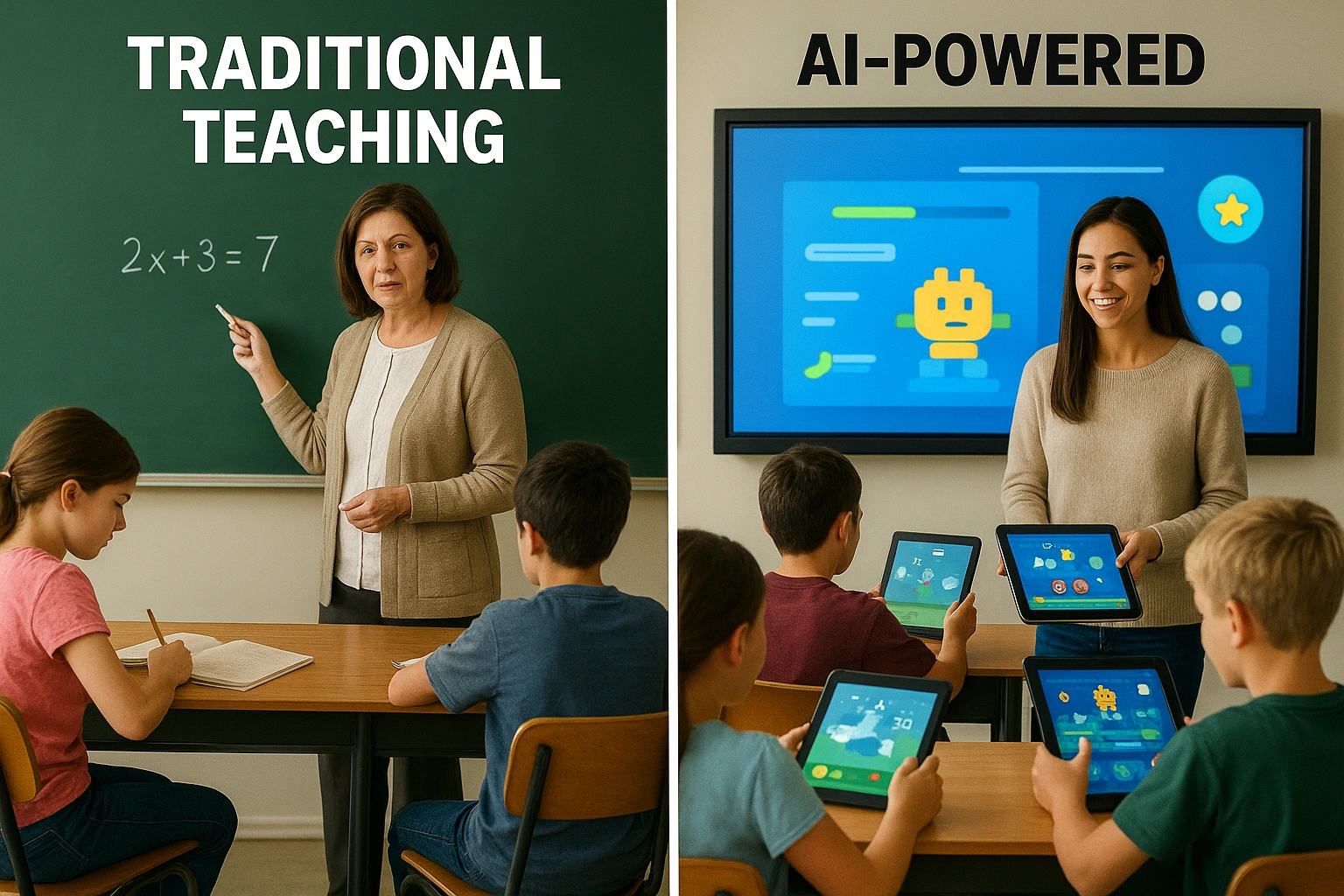
Traditional student engagement is primarily teacher-centric. It revolves around established, often synchronous, methods: the teacher lectures, students listen, and participation is measured by raised hands and worksheet completion. It’s structured, predictable, and has been the backbone of education for centuries.
AI-powered student engagement, conversely, is student-centric. It uses technology to create personalized, adaptive learning pathways. Participation is measured through interactive quizzes, real-time data, and direct engagement with digital content. This model thrives on data and individualization. As educational research from institutions like the U.S. Department of Education points out, the shift towards personalized learning is a key trend in modern education, a trend that AI is uniquely positioned to accelerate.
The Enduring Strengths of Traditional Teaching
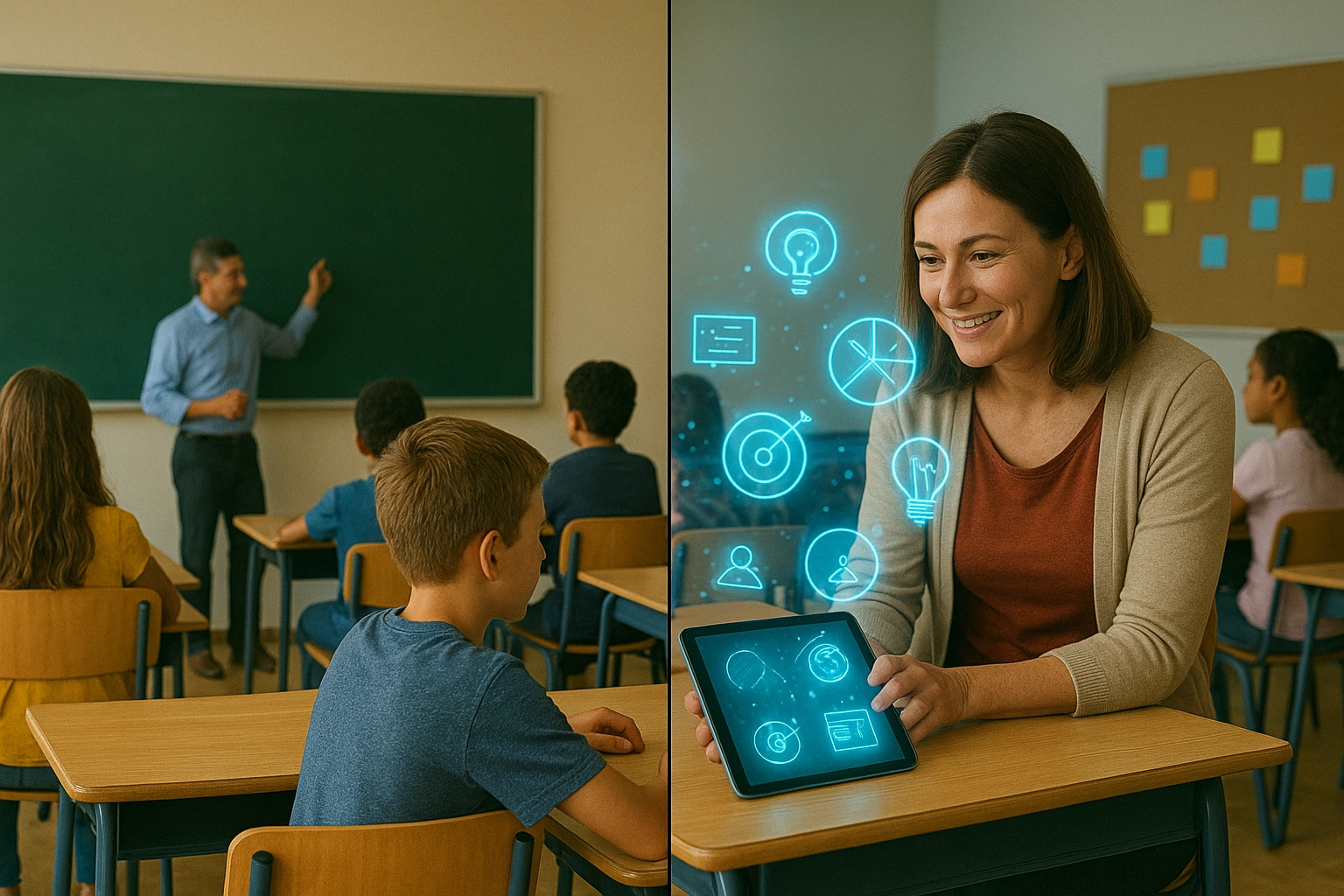
In the rush to embrace new technology, it’s easy to dismiss traditional methods. However, they offer unique benefits that technology cannot fully replicate. This is a crucial part of the **classroom engagement comparison**.

Fostering Human Connection and Soft Skills
The core of traditional teaching is the relationship between teacher and student. A teacher can read body language, offer a word of encouragement, and facilitate nuanced, face-to-face discussions. This environment is fertile ground for developing critical soft skills:
- Collaborative dialogue: Students learn to listen, debate, build on each other’s ideas, and navigate disagreements respectfully in real-time.
- Public speaking: Presenting in front of a live audience builds confidence and communication skills in a way that digital submissions cannot.
- Empathy and emotional intelligence: Direct human interaction is essential for learning to understand and respond to the emotions of others, a skill vital for both personal and professional success.
Simplicity and Equity of Access
Traditional methods require minimal resources: a teacher, a space, and willing students. There are no technical glitches, no software updates, and no digital divide. This simplicity ensures that learning can happen anywhere, regardless of a school’s budget or a student’s access to technology at home. For a deeper look into optimizing school budgets, our guide on financial management offers relevant insights.
Structured and Predictable Learning
For many students, the clear structure of a traditional classroom—bell schedule, direct instruction, guided practice—provides a sense of security and clarity. The teacher sets a consistent pace for the entire class, ensuring that all students are exposed to the core curriculum in a systematic way.
The Transformative Power of AI Engagement Tools
Unparalleled Personalization at Scale
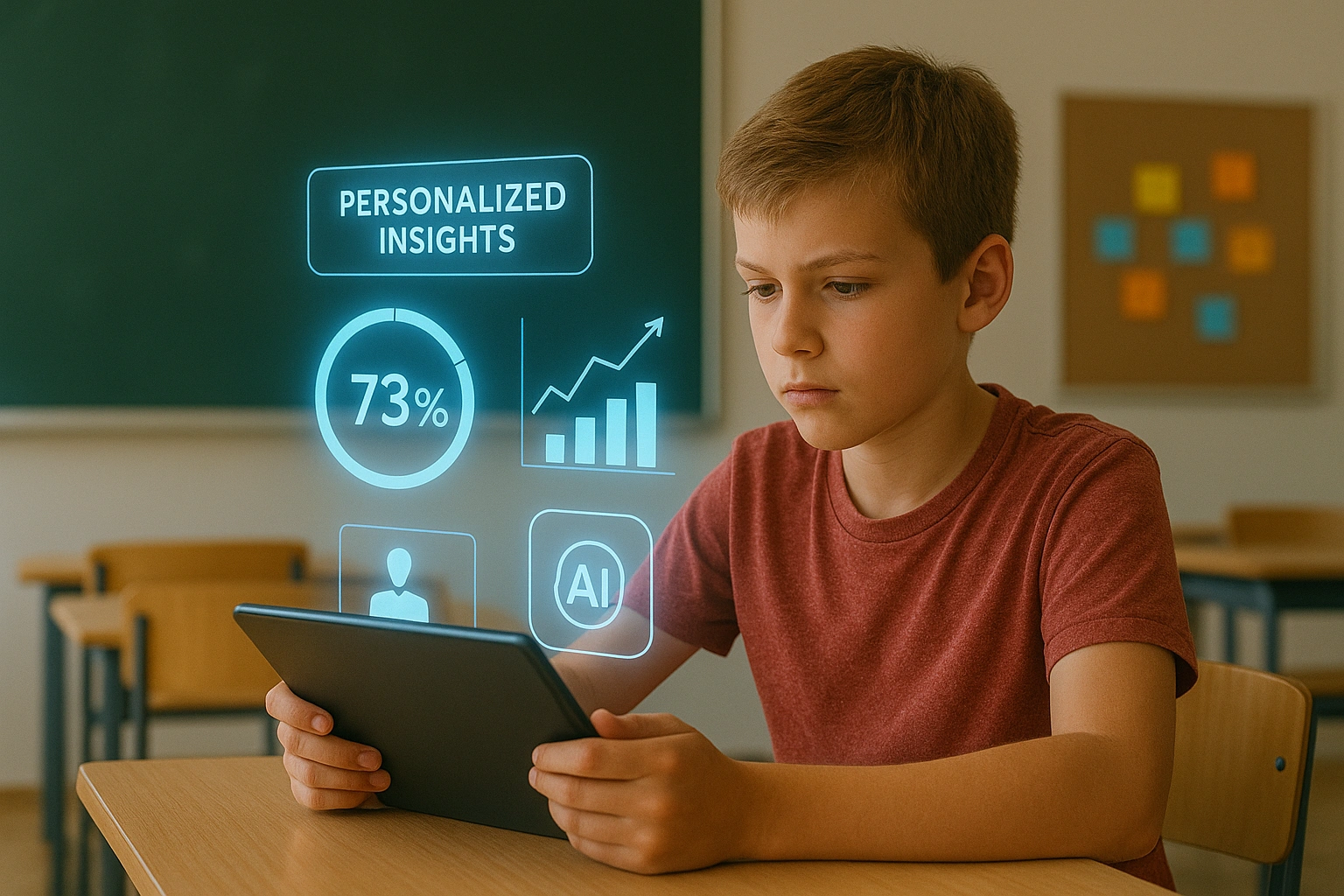
This is AI’s superpower. A single teacher cannot realistically create 30 unique lesson plans for each class. An AI can. It analyzes each student’s performance and instantly adapts, providing:
- Remedial support: Automatically assigns practice exercises to students who are struggling with a concept.
- Advanced challenges: Offers enrichment activities to students who have mastered the material and are ready to move ahead.
- Adaptive pacing: Allows students to progress through material at their own speed.
Instant Feedback and Data-Driven Insights
In a traditional model, a teacher might not know a student is falling behind until they grade a test a week later. AI provides an immediate feedback loop. Interactive quizzes, polls, and simulations give teachers a real-time dashboard of student understanding. They can see, at a glance, which concepts are causing confusion and intervene immediately, not days later.
Boosting Participation from Every Student
In any classroom, a few confident students tend to dominate the discussion. AI tools create new avenues for participation that are less intimidating. A shy student might be hesitant to raise their hand but will gladly type an answer into a poll or contribute to a digital word cloud. This ensures every student has a voice.
Gamification and Increased Motivation
Many AI platforms incorporate principles of gamification to make learning more enjoyable. By adding elements like points, badges, and leaderboards, these tools can turn a routine review session into a fun and competitive game. This not only increases engagement but can also boost motivation and knowledge retention, as reported by sources like Wired.
Head-to-Head: AI vs Traditional Student Engagement
To make a direct **classroom engagement comparison**, let’s break down the key differences in a practical format.
| Feature | Traditional Method | AI-Powered Method |
|---|---|---|
| Personalization | Limited; generally a one-size-fits-all approach. | Highly individualized; content adapts to each student’s level. |
| Feedback Loop | Delayed; often comes after assignments or tests are graded. | Instant and continuous; provided in real-time during activities. |
| Pace of Learning | Teacher-paced; the entire class moves together. | Student-paced; individuals can move faster or slower as needed. |
| Teacher’s Role | “Sage on the stage”; primary dispenser of information. | “Guide on the side”; facilitator of learning and data analyst. |
| Data Analysis | Manual and time-consuming; based on test scores. | Automated and immediate; provides deep insights into learning gaps. |
Real-World Scenario: Teaching Photosynthesis
Let’s apply this to a real topic. How would a lesson on photosynthesis differ?
The Traditional Approach
The teacher explains the process using a diagram on the whiteboard, students copy notes, and complete a labeled worksheet. A hands-on activity might involve looking at leaves under a microscope.
Pros: Direct, low-cost, ensures everyone gets the same foundational information.
Cons: Passive for students, hard to identify who is confused until the worksheet is graded.
The AI-Powered Approach
Students engage with an interactive 3D model of a plant cell on their devices. They run a simulation where they can change the amount of light and water to see the effect on glucose production. An AI-powered quiz adapts its difficulty based on their answers.
Pros: Highly engaging, kinesthetic, provides instant feedback and data for the teacher.
Cons: Requires technology, potential for distraction if not well-managed.
Common Mistakes to Avoid When Integrating AI
Adopting new technology comes with a learning curve. To ensure a successful integration, it’s vital to sidestep common pitfalls that can hinder the effectiveness of AI tools in the classroom.
- One-Size-Fits-All Implementation: Rolling out a new tool to an entire school at once can be chaotic.
Solution: Start with a pilot program involving a few willing teachers. Let them become experts and advocates, then scale the implementation based on their feedback. - Using AI as a ‘Digital Babysitter’: It’s tempting to use AI tools for passive content consumption to keep students occupied.
Solution: Ensure the chosen tools promote active learning, problem-solving, and creativity rather than just watching videos or answering simple multiple-choice questions. - Ignoring Data Privacy and Ethics: Student data is highly sensitive. Adopting a tool without vetting its privacy policy is a significant risk.
Solution: Thoroughly review privacy policies and favor tools that are transparent about data usage and compliant with regulations like FERPA and COPPA. - Lack of Professional Development: Handing teachers a login and expecting them to master a new tool is a recipe for failure.
Solution: Provide ongoing, collaborative training sessions where teachers can learn, experiment, and share best practices with their peers. - Not Setting Clear Expectations: Students may see new tech as a game or distraction if norms aren’t established.
Solution: Explicitly teach digital citizenship skills related to the new tool. Set clear guidelines for appropriate use, collaboration, and staying on task.
The Hybrid Model: The True Winner of the Debate
The debate over **AI vs traditional student engagement** presents a false choice. The most effective educators of 2025 are not abandoning one for the other; they are blending them. The future is a hybrid model where technology and tradition work in harmony.
Imagine a classroom where the teacher begins with a passionate, traditional-style lecture to inspire curiosity (the “why”). Then, students use AI tools for individualized practice and exploration (the “how”). Finally, the class comes back together for a Socratic seminar to discuss their findings and connect them to the real world (the “so what?”). This approach leverages the best of both worlds.
Expert Insight
“Stop thinking of it as ‘AI versus teachers.’ Start thinking of it as ‘teachers with AI.’ The right technology doesn’t diminish the role of the educator; it amplifies their impact, freeing them from routine tasks to focus on what humans do best: inspire, mentor, and connect.”
– Dr. Aris Prasetyo, Educational Futurist
Frequently Asked Questions (FAQ)
Q: Will AI completely replace traditional teaching methods?
A: No. The future of education is a hybrid model. AI tools are meant to augment and empower teachers, not replace them. The human element of teaching—mentorship, emotional connection, and fostering soft skills—remains irreplaceable. The best approach blends the efficiency of AI with the strengths of traditional instruction.
Q: Is AI engagement effective for all subjects and age groups?
A: Yes, AI can be adapted for nearly any subject or age group, but its application will vary. For younger students, it might be gamified learning for math and reading. For older students, it could be complex simulations in science or AI-powered writing feedback for essays. The key is to choose the right tool for the specific learning objective.
Q: What is the biggest challenge when comparing AI vs traditional student engagement?
A: The biggest challenge is striking the right balance. Key concerns include ensuring equitable access to technology for all students, managing screen time effectively, and providing adequate training for teachers. The goal is to use technology to enhance learning, not as a substitute for proven, effective teaching practices.
Q: How can teachers with limited tech skills start using AI tools?
A: Start small with user-friendly tools. Platforms like Quizizz or Kahoot offer simple, AI-powered quiz generation that requires very little technical expertise. Many tools are designed with busy teachers in mind and offer extensive tutorials and support to get started.